Men's Health Science: What You Need to Know About ED & PE
In an era of information overload, you may have been misled by countless clickbait articles. But this time, let's have a serious conversation about a topic related to many men's health — Erectile Dysfunction (ED) and Premature Ejaculation (PE).
Yes, no jokes, no beating around the bush. Today we'll discuss from a scientific perspective: what exactly ED and PE are, and how to properly address them.

I. Common Misunderstandings About the "Shameful Secret"
Many men and their partners have tried various methods to improve sexual quality of life — from dietary supplements (like leeks and oysters), to various so-called "secret recipes" and "delay techniques" from unknown sources.
However, most of these methods lack scientific evidence. More importantly: many people misunderstand the root causes of ED and PE. Wrong perceptions lead to wrong actions, making it difficult to truly improve the situation.
This article will outline the scientific causes of ED and PE, providing a reference for readers who want to understand this topic rationally and scientifically.
II. ED & PE: Two Different Conditions
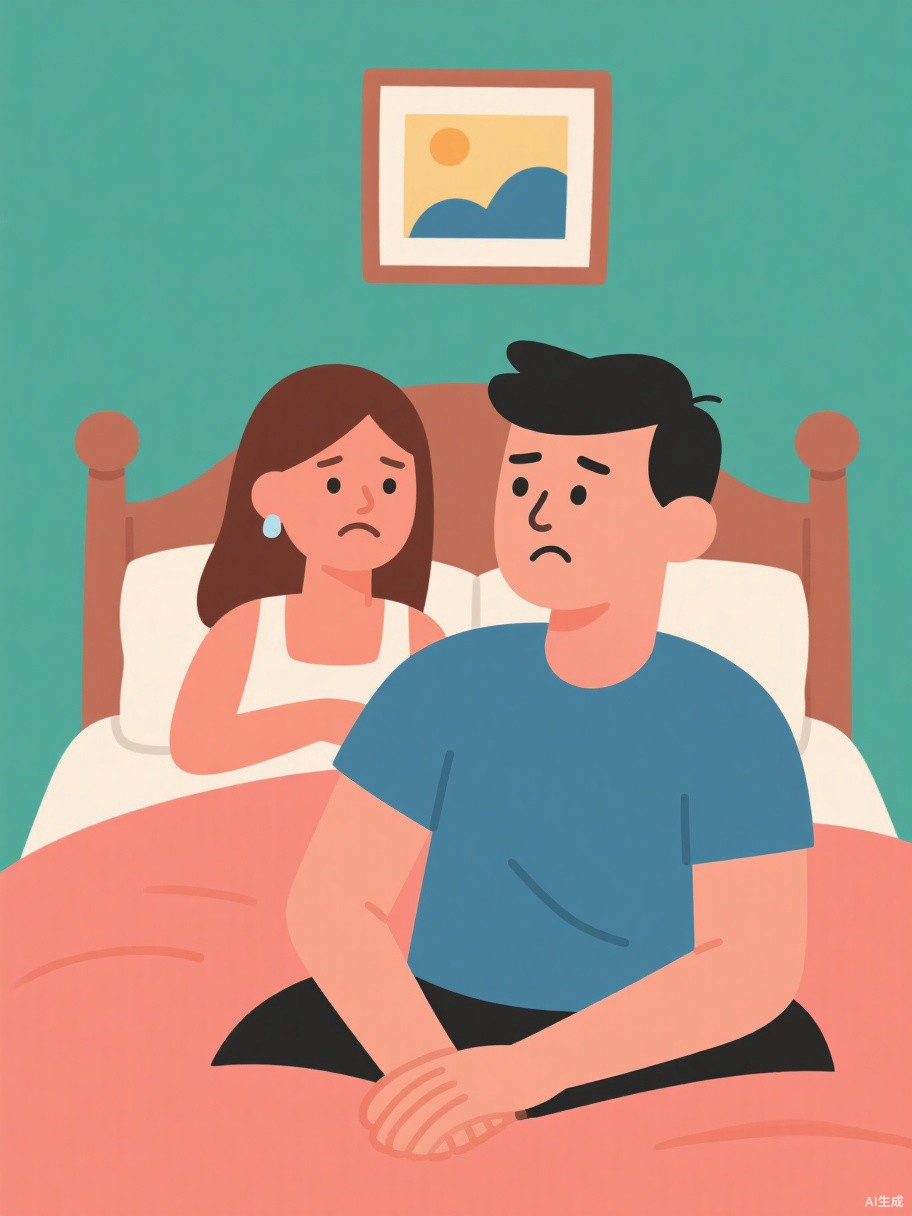
Although both ED and PE cause distress for men, they are two different medical conditions:
Premature Ejaculation (PE)
Mainly characterized by too-short ejaculation latency time — the "release" happens too quickly to be controlled voluntarily. PE has a wide age distribution, and younger men can also be affected.
Erectile Dysfunction (ED)
Mainly characterized by the inability to achieve or maintain sufficient erection hardness to complete satisfactory sexual intercourse. The prevalence of ED increases with age, affecting approximately 40% of men over 40.
Therefore, once men reach adulthood, they may face health anxiety related to ED or PE at any age.
Prevalence of ED and PE
It's estimated that approximately 150 million men worldwide suffer from varying degrees of erectile dysfunction. The incidence of PE, based on patient complaints, could be as high as 20-30%, but exact numbers are difficult to determine (both conditions are subjective, and statistical data may vary).
There's also a more complex situation: ED and PE may coexist. Research shows that up to half of PE patients also have ED, while one-third of ED patients also have PE.
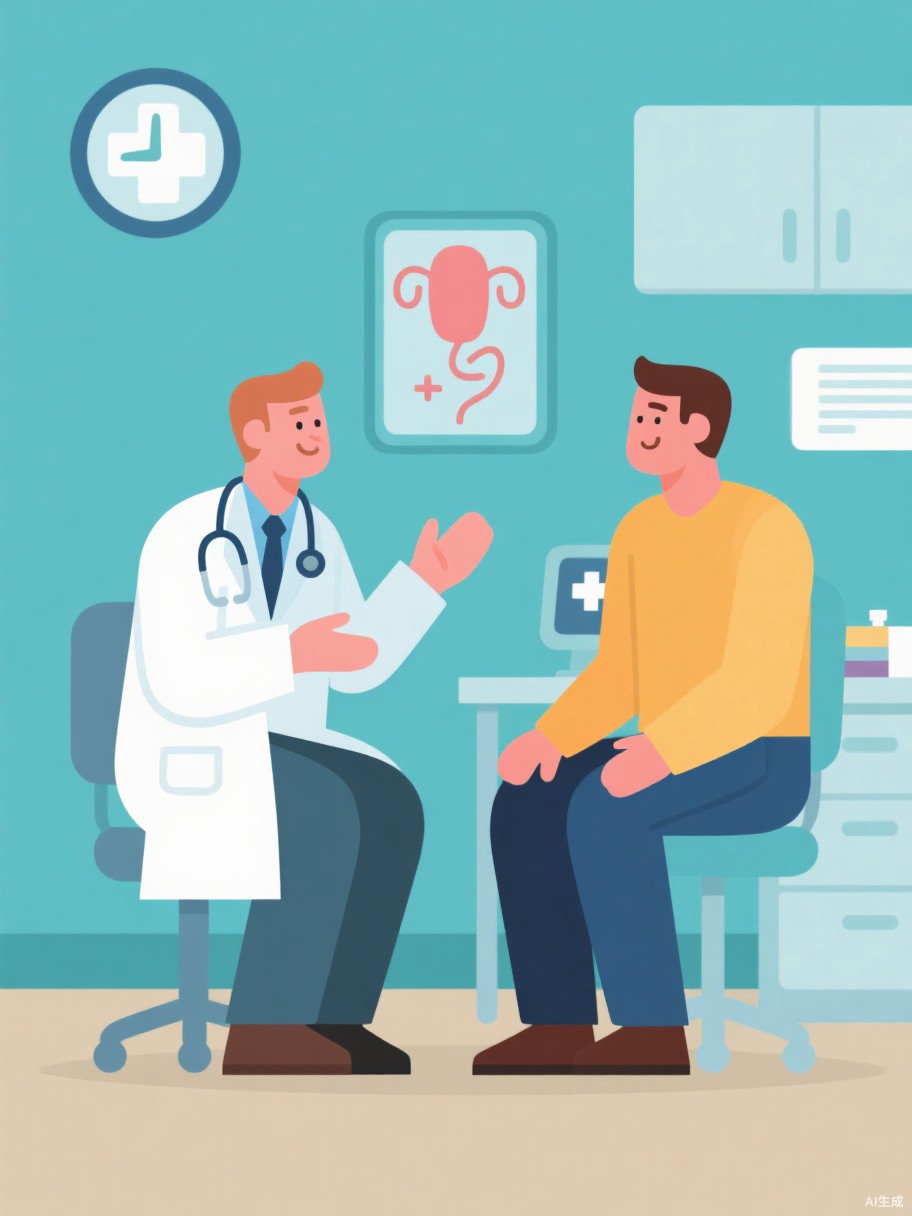
III. Causes of ED & PE
Although ED and PE are two different conditions, they both act as a "barometer" of men's physical health and are significantly influenced by mental health status.
About the Causes of PE
From an evolutionary perspective, our ancient human ancestors faced many dangers in the wild, and shorter mating time was actually a survival advantage at the time. But today's human living environment is completely different, and women's sexual response cycles are generally slightly slower than men's, so being "too fast" has become a problem.

Reference Standards for PE
A study of 500 couples from 5 Western countries found that the median intravaginal ejaculation latency time was 5.4 minutes. For men aged 18-30, it was about 6.5 minutes, and for men over 50, about 4.3 minutes.
It should be noted: satisfaction with sexual life cannot be measured by time alone. A satisfying sexual encounter involves multiple factors.
However, if ejaculation always happens too quickly and cannot be controlled, leaving you and your partner unsatisfied, it's recommended to consult a professional doctor.
Possible Causes of PE
Some PE cases have organic causes, but research is still ongoing. Long foreskin, genital inflammation, prostate problems, etc., are believed to be potentially related to PE (but circumcision doesn't help improve PE).
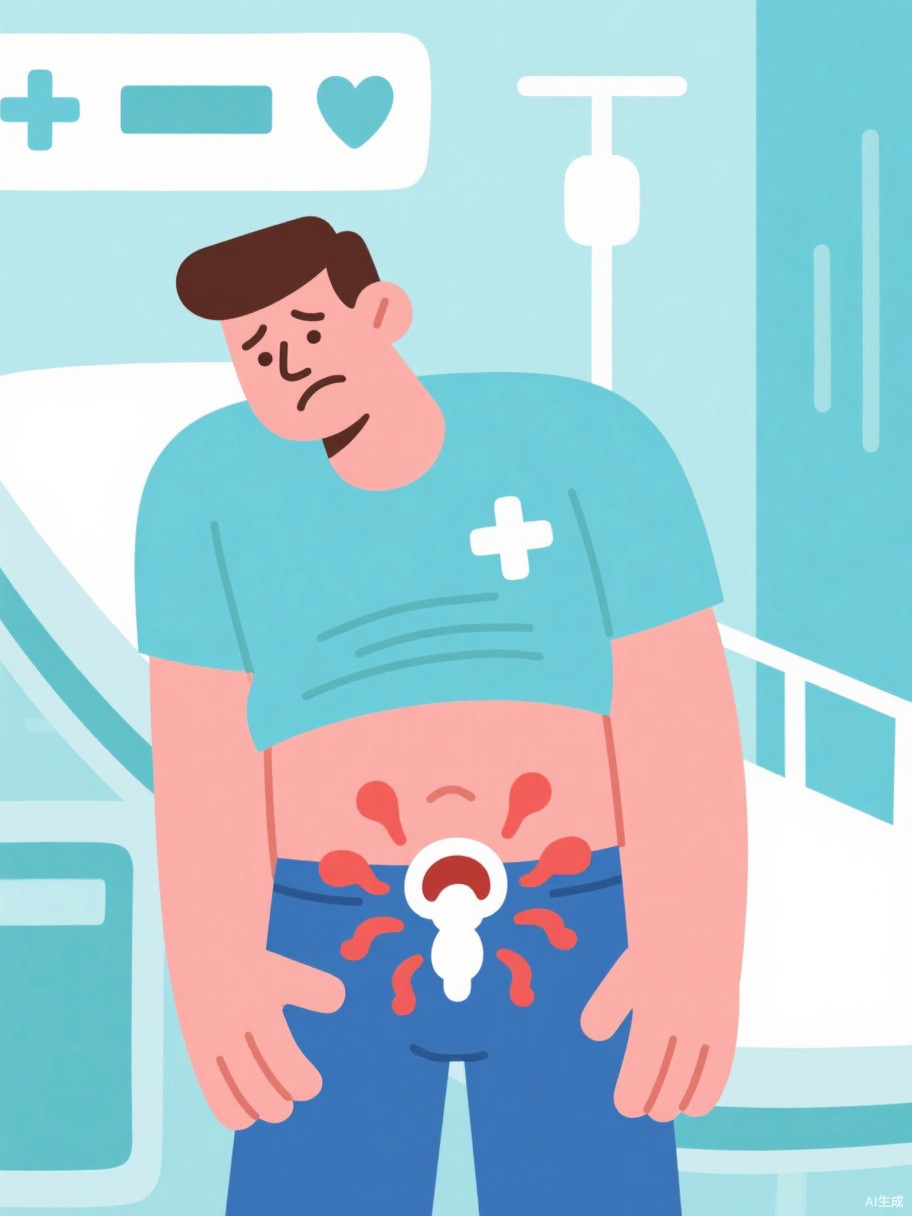
There's also a significant portion of PE where no clear organic cause can be found. High life stress, anxiety, depression, conflicts in intimate relationships, and other psychological factors are all important triggers of PE.
Regarding the concern that "masturbation causes PE" — there is currently no scientific evidence supporting this view. Moderate frequency and method won't cause PE; excessive worry may instead create anxiety, affecting normal sexual life.
About the Causes of ED
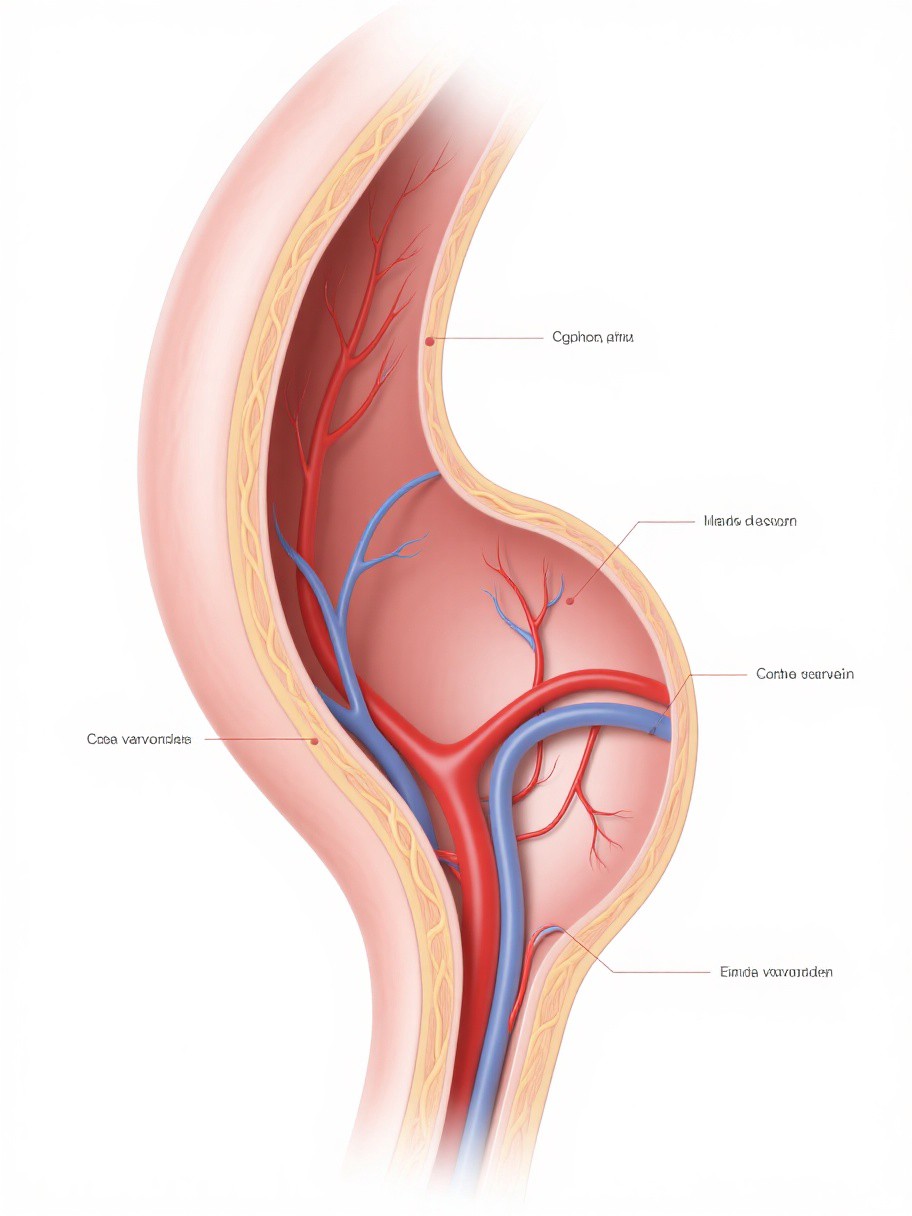
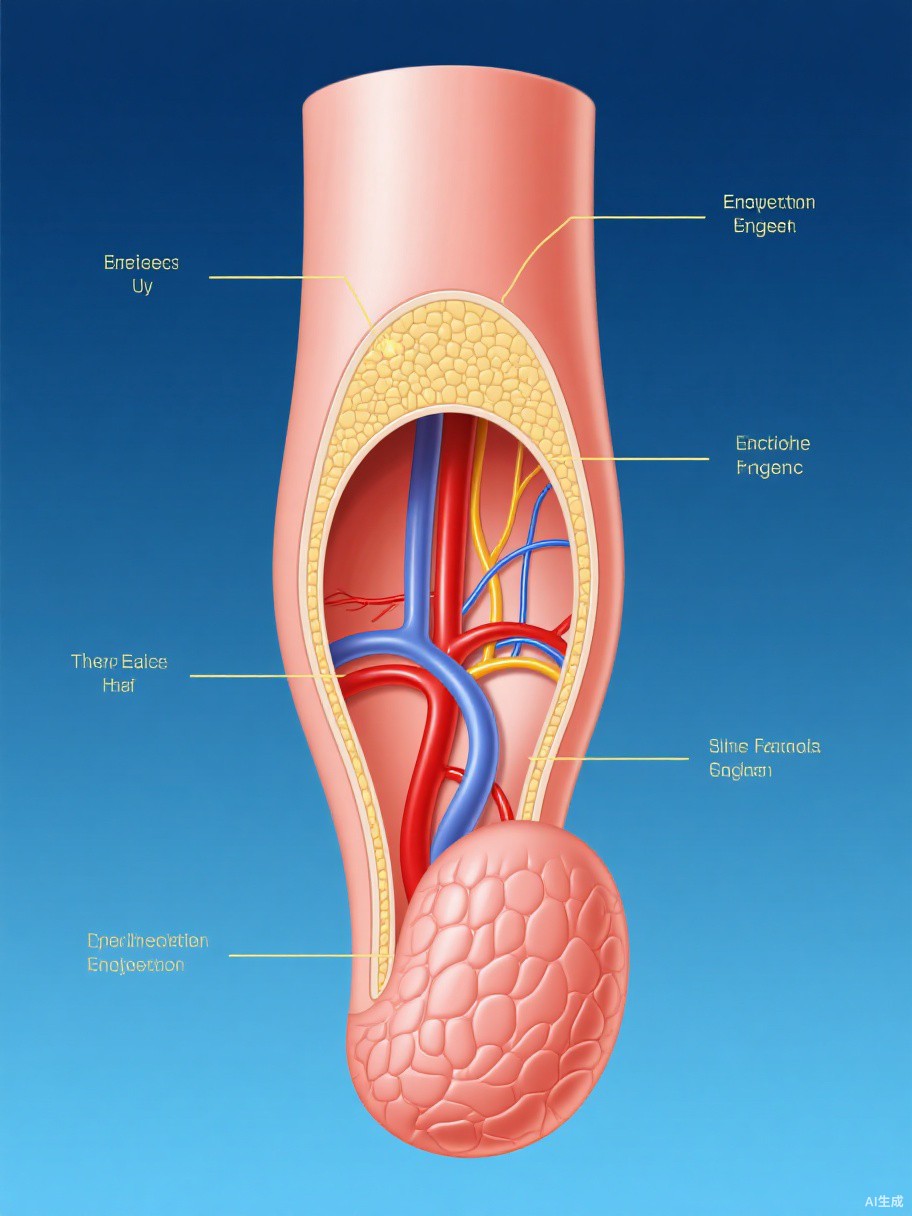
Penile erection depends on cavernous body blood filling, a process that requires the coordinated work of nerves, blood flow, and hormones. Any problem in any link may lead to ED.
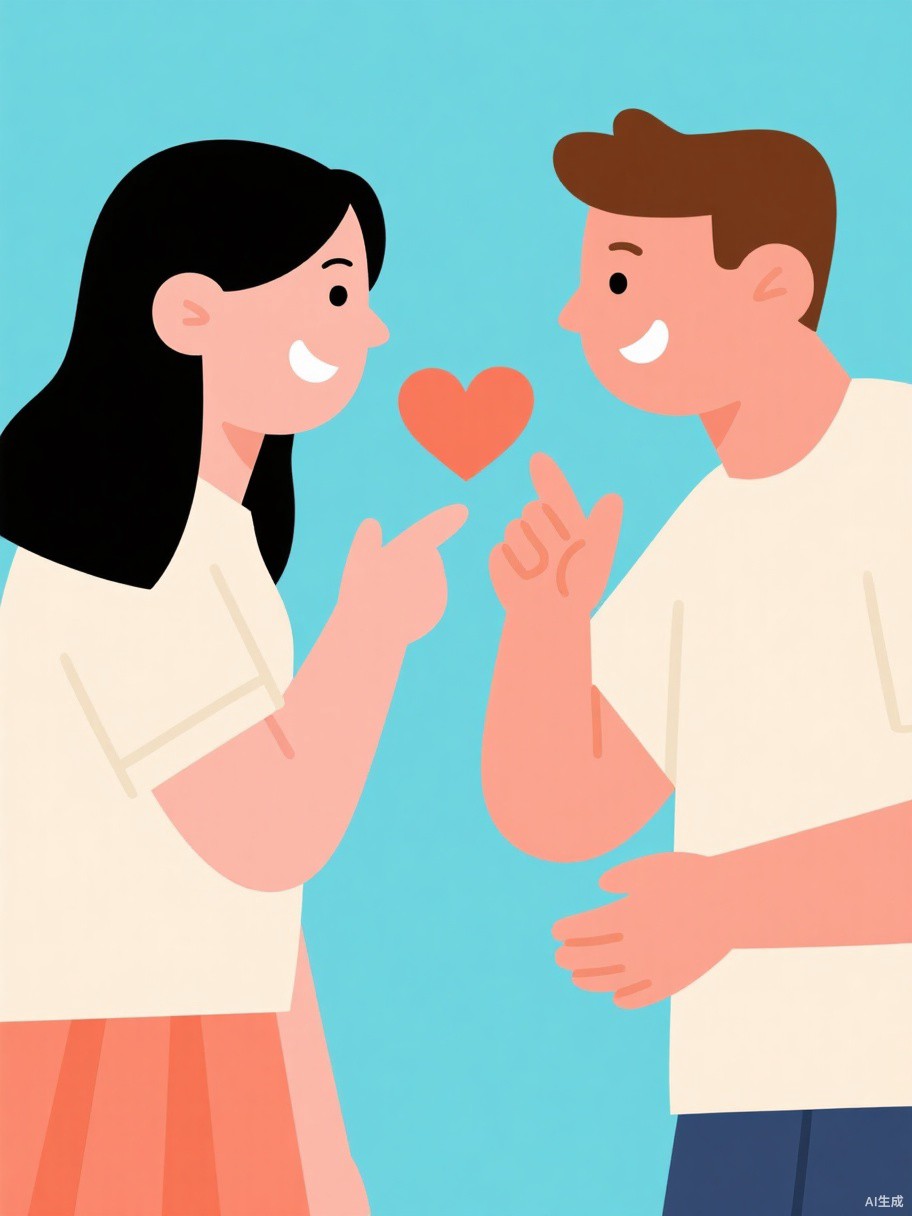
Reference Standards for ED
During sexual life, the penis needs to achieve sufficient hardness to complete satisfactory insertion and maintenance.
If you can never achieve sufficient hardness, or can achieve it but cannot maintain it long enough, causing dissatisfaction for you or your partner, it's recommended to consult a professional doctor.
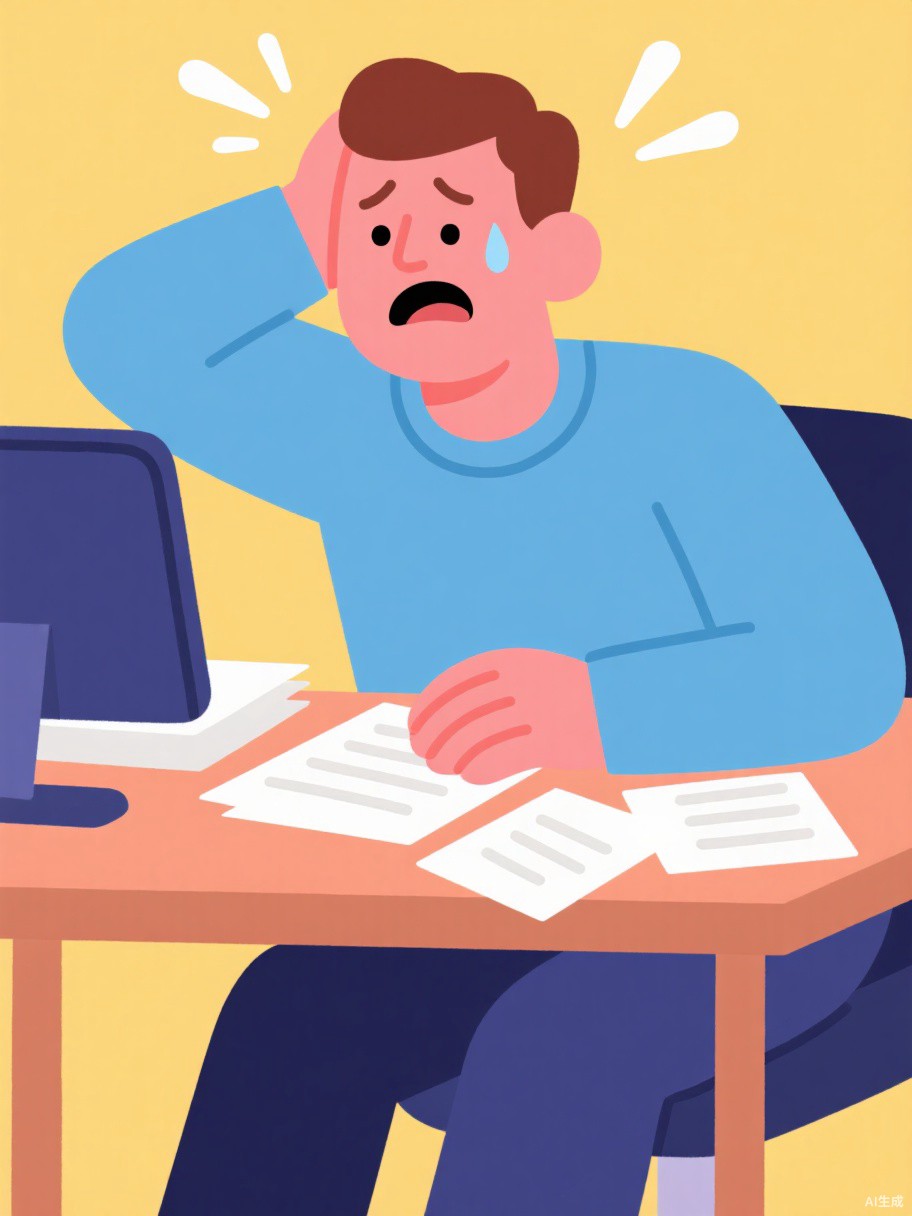
Possible Causes of ED
The possible causes of ED are very extensive, mainly including:
• Unhealthy lifestyle (lack of exercise, obesity, smoking, etc.)
• Psychological disorders (stress, depression, anxiety, etc.)
• Early warning signals of certain chronic diseases
Research points out that ED may be an early warning signal for various chronic cardiovascular diseases — the onset of ED may precede ischemic heart disease by 53.4 months (over four years).
In addition, testosterone deficiency caused by various endocrine diseases, as well as pelvic trauma or surgery, may also lead to organic erectile dysfunction.
Due to the complex and diverse causes of ED, many people actually have psychological factors as the main cause. Therefore, various dietary supplements and folk remedies often only play a "placebo" role — although useless, if they help you build psychological confidence, it's not necessarily harmful.
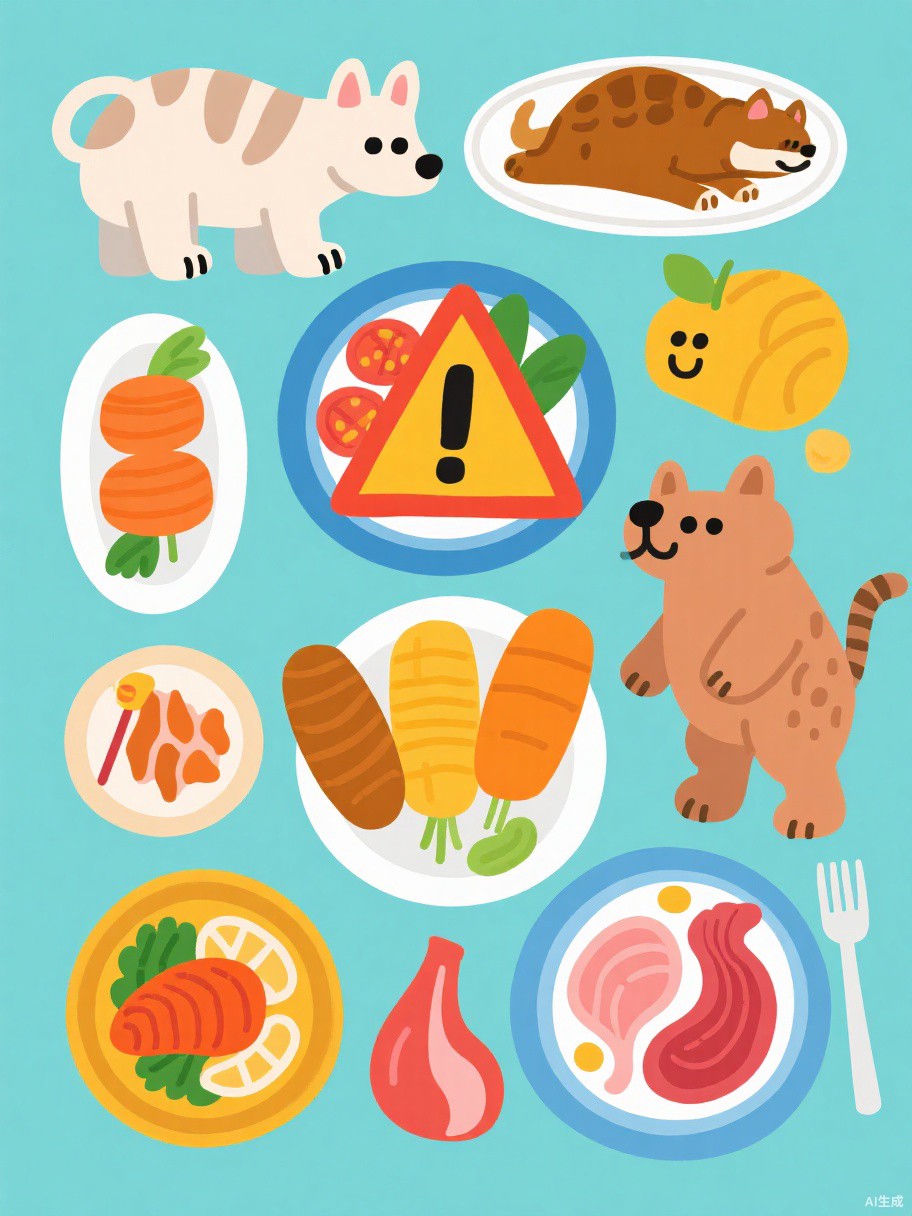
Important Reminder: There is no scientific evidence that any wild animal has "potency-enhancing" effects, and such claims are all commercial hype. Consuming wild animals is not only ineffective but may also bring legal and health risks. Please do not attempt.
IV. Scientific Recommendations for Addressing ED & PE
After understanding that ED and ED are reflections of men's physical and mental health, please discard all unproven folk remedies. Start scientifically from the following aspects:
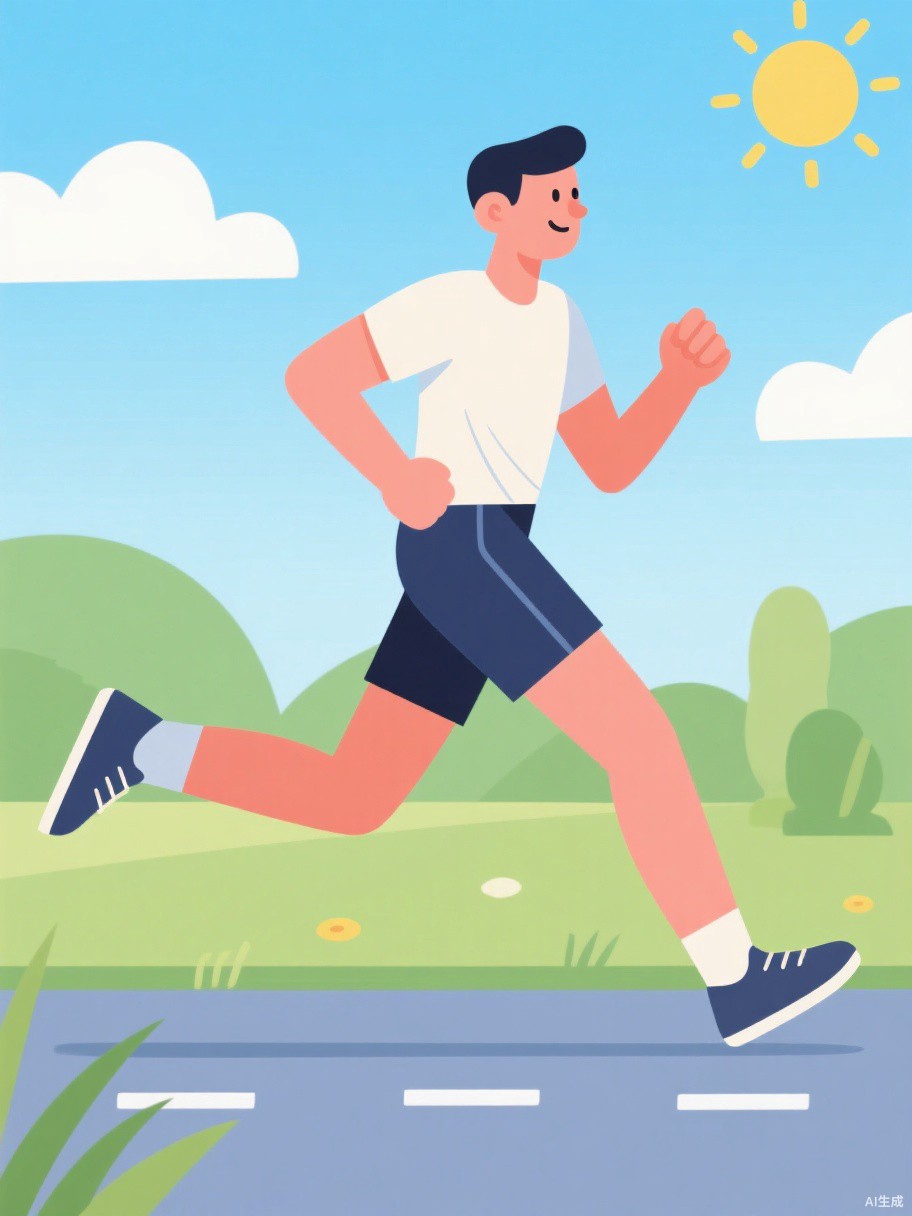
1. Lose weight, exercise more
Research shows that the equivalent of about three hours of jogging per week can significantly improve sexual function.
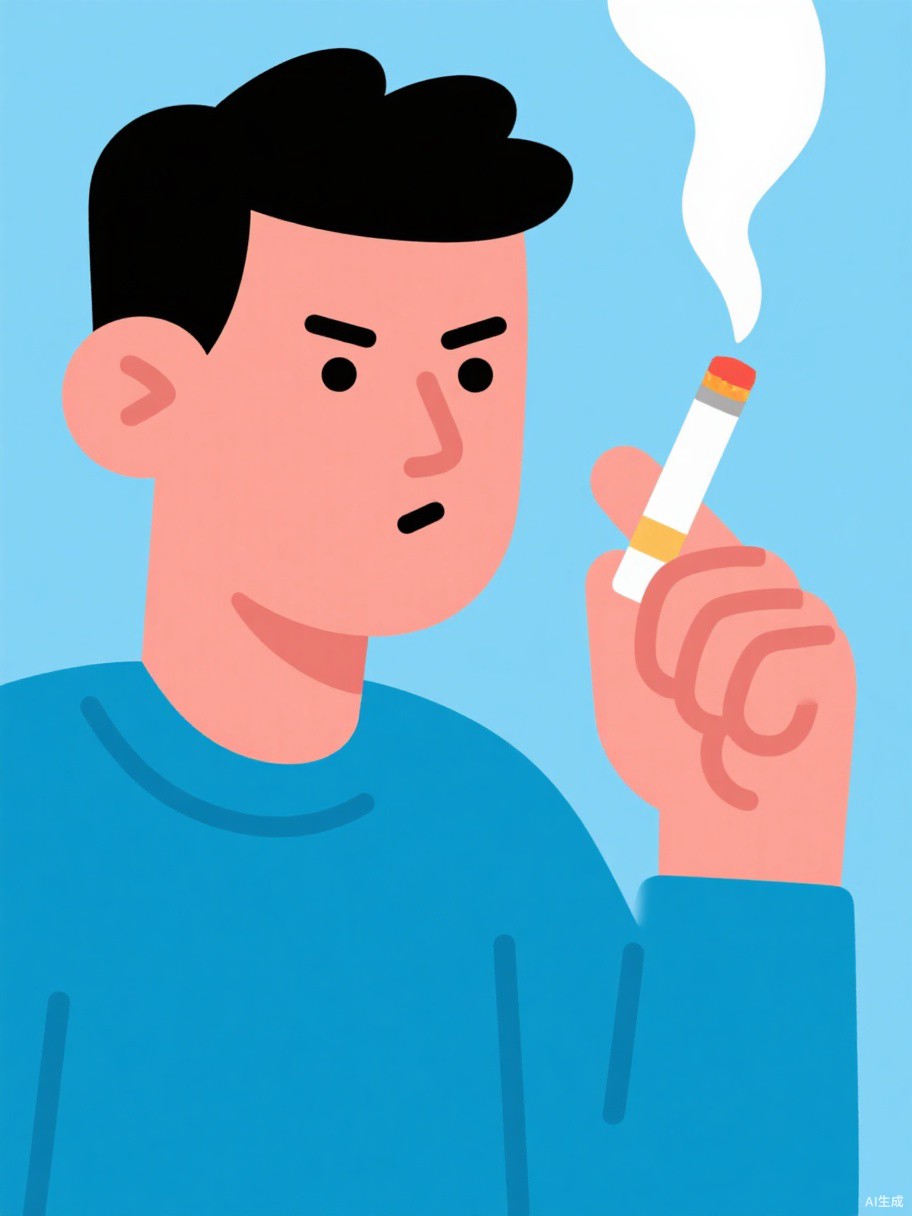
2. Quit smoking
Research has proven that long-term smoking easily leads to ED.
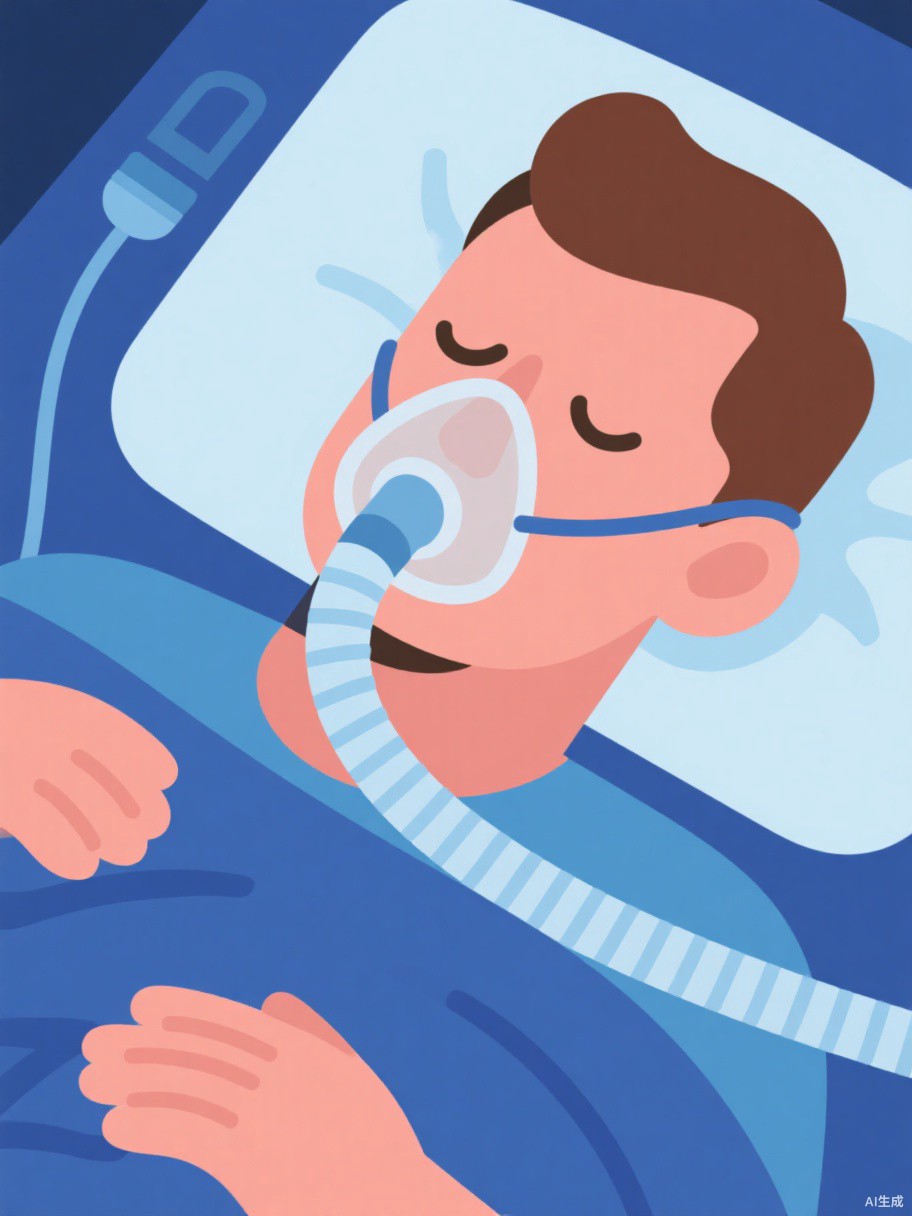
3. Improve sleep disorders
Especially sleep problems caused by sleep apnea, seek medical attention in time.
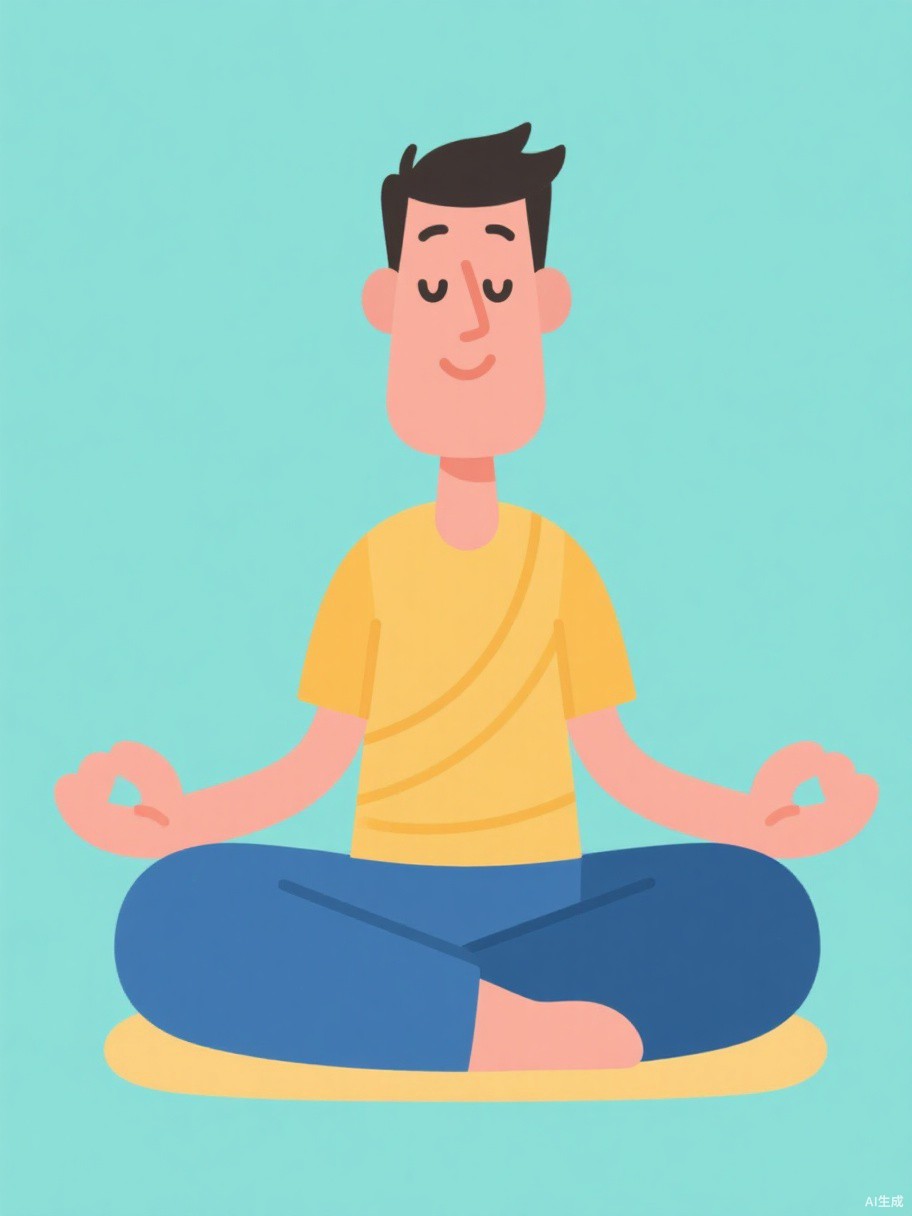
4. Don't put too much pressure on yourself
Stress, depression, and emotional issues all affect sexual life.
5. Build a good emotional connection with your partner
If you have a partner, male sexual dysfunction is not a one-person battle. Some psychological and behavioral training requires joint participation from both parties.
6. Seek professional medical advice
Seeking medical help for male sexual dysfunction is nothing to be ashamed of — it's precisely the shortcut to solving the problem. Modern medicine offers various treatment options that can effectively improve both ED and PE.
For ED, medical interventions have shown good clinical effectiveness. For PE, there are various therapeutic approaches including counseling and behavioral techniques — all proven effective in clinical practice.
Special reminder: Please do not trust advertisements from irregular medical institutions and casually undergo unnecessary procedures.
V. Some Words for Readers
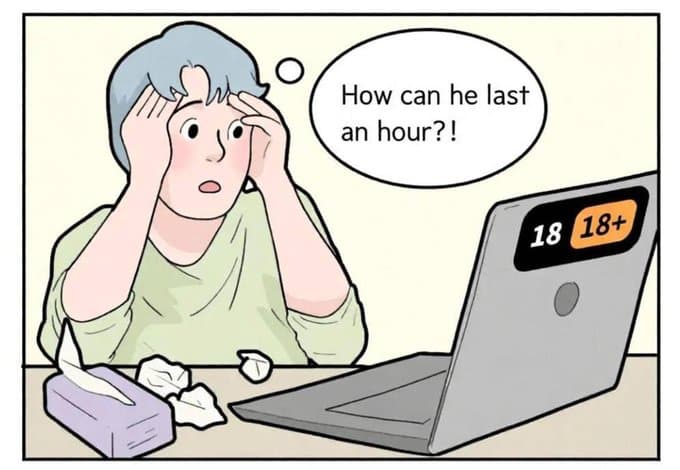
Men's anxiety often revolves around "not lasting long enough, not being hard enough, not having enough energy." But please remember: don't measure yourself against the standards in some film and television productions.
For female partners, "mechanical performance" may not be that important. What many women value more is the atmosphere, feelings, emotional connection, and intimacy.
Resolving sexual dysfunction and alleviating related anxiety is just the first step toward "harmony." Partners need more communication, less criticism, and work together to build an ideal intimate relationship.
📋 Disclaimer
This article is for educational reference only and does not constitute medical advice. If you have related health issues, please consult a professional medical institution.
Need More Help?
Our online team is ready to help with your private questions — professional, confidential, and fast